People from 11 communities rely on the Clinic in El Rosario for medical, dental, and pharmacy services.
Medical and Dental Care
The Joyce Baker Clinic began as a simple medical clinic with basic services. Today, it is well-staffed, adequately provisioned, and takes the lead in bettering health care access throughout the 11 community catchment area. ACTS Honduras has provided critical mentoring and funding to the Clinic for 40 years. Sue Burgos PA-E takes the lead for ACTS in medical care.
In 2013, as envisioned by ACTS’ Bob Keene DMD, the doors opened for dental treatment in the 3-chair dental clinic with licensed staff, proper equipment, and hygiene. Since then, Bob recruited Dave Bogacz DMD to take the lead in dentistry.
For good health, access is essential
Access to adequate health care is the primary goal. Broadening access takes many forms. ACTS funding makes it possible. Here are some recent examples:
Taking Birth Control on the Road
The Depo Provera injection to protect against unwanted pregnancy is a popular family planning method that requires an injection every 3 months. To ensure more than 100 women have access to regular shots, the Clinic team travels to seven communities to give injections on site.
Glasses, glasses, everywhere
Nearly everyone over 40 needs reading glasses to hammer a nail, read their phone, or thread a needle. We make access to free reading glasses easy by making them available everywhere we go.
Seeing seniors where they are comfortable
To make more comprehensive diagnoses and care plans, the nursing team accesses elders in their homes. Onsite visits promote discussion with other family caregivers and review and mitigation of potential trip and fall hazards.
When just getting a ride means so much
The roads in El Rosario are terrible – rocky and uneven, a nightmare for anyone who is sick or unstable. Free to patients, the new mototaxi is just a phone call away and improves access.
The right medication at the right time
Whether it’s your blood pressure medication or an antibiotic for an infection, modern medicine assumes patients have access to medications. At the Clinic, they do. The Pharmacy is well-stocked, and the prices are lower than at drugstores.
Welcoming new babies to the Clinic
Charming “new baby” gift packages are made by ACTS volunteers to encourage mothers to bring their infants to the Clinic to meet the nurse – before they are sick. Creating that connection before it is a crisis, establishes access to the nurse, that new moms can use for questions and concerns.
The Local Clinic Committee Runs the Clinic
ACTS’ Clinic Committee works closely with the local Clinic Committee led by Nelson Mejia. ACTS’ funding covers salaries, a Helping Fund to pay for services to the poorest patients, medical equipment, and major expenses for building repairs. Nelson’s group manages other expenses including stocking the pharmacy and minimal consulting fees for dental and medical care.
The Clinic staff comprises a full-time nurse and her assistant; a doctor on staff at the regional hospital who sees patients on Saturdays, and a dentist and her assistant who work five days per month. When ACTS’ clinicians are in Honduras, they serve as trainers, advise on complex cases, and consult with the local committee about best practices, changes in population needs, and how to improve services provide by the Clinic.
The Clinic building houses a reception area, two exam rooms, a treatment room for overnight stays or prolonged observation, and a well-stocked pharmacy. Services include physical exams, treatment of acute illnesses and injuries, chronic illnesses, minor surgery, counseling, pediatric care, and family planning. In collaboration with a public health nurse, children and adults receive all recommended vaccines.
What Community Outreach Means Here
The Clinic serves many surrounding communities; each is unique, with its own set of complications that might include no water, access via a steep path, whole families intermittently away to work in the forest making charcoal for weeks at a time, low- or no-income, many single mothers without income, and always a shortage of food.
Every two months the Clinic team rotates through the poorest communities where job opportunities are extremely limited, and food insecurity is a constant hazard going house-to-house to contact families and deliver care. When we are in Honduras, ACTS clinicians travel with the team. As the health of the population has improved, the Clinic staff are treating more patients with chronic diseases like hypertension, diabetes and arthritis. Public education efforts emphasize the importance of good nutrition, proper ergonomics, family planning, dental hygiene, cancer screening, eye care, and prevention of sexually transmitted diseases.
Hospital Care
Hospital Manuel de Jesus Subirana, in the small city of Yoro, is approximately a 90-minute from El Rosario. Patients are referred for serious illness and trauma. Ordinarily, pregnant women go to the maternity dormitory to wait for their labor. They deliver at the hospital and stay at the dormitory until well enough to travel home. The hospital is drastically underfunded, under-equipped, and understaffed.
Individuals with Special Needs
The Clinic and ACTS collaborate to provide those with different needs the information, support, and access they need to be healthy and achieve a quality life. The might include funding for transportation, surgery, or medications; consultations we can do with experts in the U.S.; or setting up a regular system of treatments at the Clinic.
Gloria, born with severely malformed limbs was treated with series of surgeries and is now a high school student; she would like to be a nurse. Lilian, a paraplegic, has a complex wound care regimen; a generous donor to ACTS provided a fund to support the costs of high tech bandages. Ilda is a widow caring for four children who have Homocystinuria, a rare genetic disorder. The Health & Development Committee provides Ilda with food, special attention, and medical care. Our publication about this case and Homocystinuria around the world is here.
Taking Care of Elders
Thanks to a grant, TCOE officially launched in January 2026. Men and women who are over 65 and dependent on others for their activities of daily living have a personal assessment through a home visit. There is a multipoint evaluation including medications, nutrition, home safety, need for durable medical equipment, and guidance for primary caregiver. Each elder is evaluated and a personal plan is drawn up to meet their needs such as organizing medicines in a med box, providing a walker or cane, reorganizing the home for safer mobility, or installing a handrail.
To address social isolation the TCOE program also includes a monthly social gathering that is very popular. Each month 40-45 elders meet for a meal, socialization, song and dance. They celebrate birthdays and are often entertained by other community members with presentations or skits. Nolvia and ACTS health professionals provide short health focused educational sessions at the luncheons. This group has aptly named itself "Third Youth." Transportation to and from Third Youth is provided for those who need assistance.
Cancer Screening “Jornadas”
Lifestyle choices and cancer screening can prevent more than 40% of cancer. However, individuals living in rural areas of low- and middle-income countries usually have no access to cancer screening. Honduras is among the poorest country in the hemisphere and the people in the ACTS catchment area had no access to cancer screening until 2013. At that point, ACTS began facilitating research to determine if bringing cancer screening set up as a community-wide event would be feasible, acceptable, and effective. The events, known as Jornadas, take place in El Rosario and are unusual for their multi-organ screening set-up designed to test participants for several cancers in just one event.
At the Men’s Jornada in 2016, 326 men from more than 30 villages were screened over one weekend for prostate, colon, skin, oral and testicular cancer. Four Jornadas have focused on women and screened for breast and cervical cancers. The first objective of a Jornada is to screen hundreds of individuals to determine who is at high risk for developing cancer and needs to have a clinical evaluation at the public hospital in San Pedro Sula. An important measure of success is percent of those encouraged to go to the hospital for clinical screening who comply with the advice. Over time, we have had 90-100% compliance and lives have been saved with cancer screening.
The Jornadas are a collaboration between Honduran Suyapa Bejarano MD PhD, medical students in the Honduran PESCA cancer screening team, ACTS, the Clinic Committee and staff, and El Rosario’s Health & Development Committee. The local committees manage the set-up, marketing, and proudly welcome guests from all over the region to be screened in their community. The teen leadership group La Fuerza para El Futuro has the essential role of assisting participants to navigate the Jornada experience. Research about the jornadas can be found here.
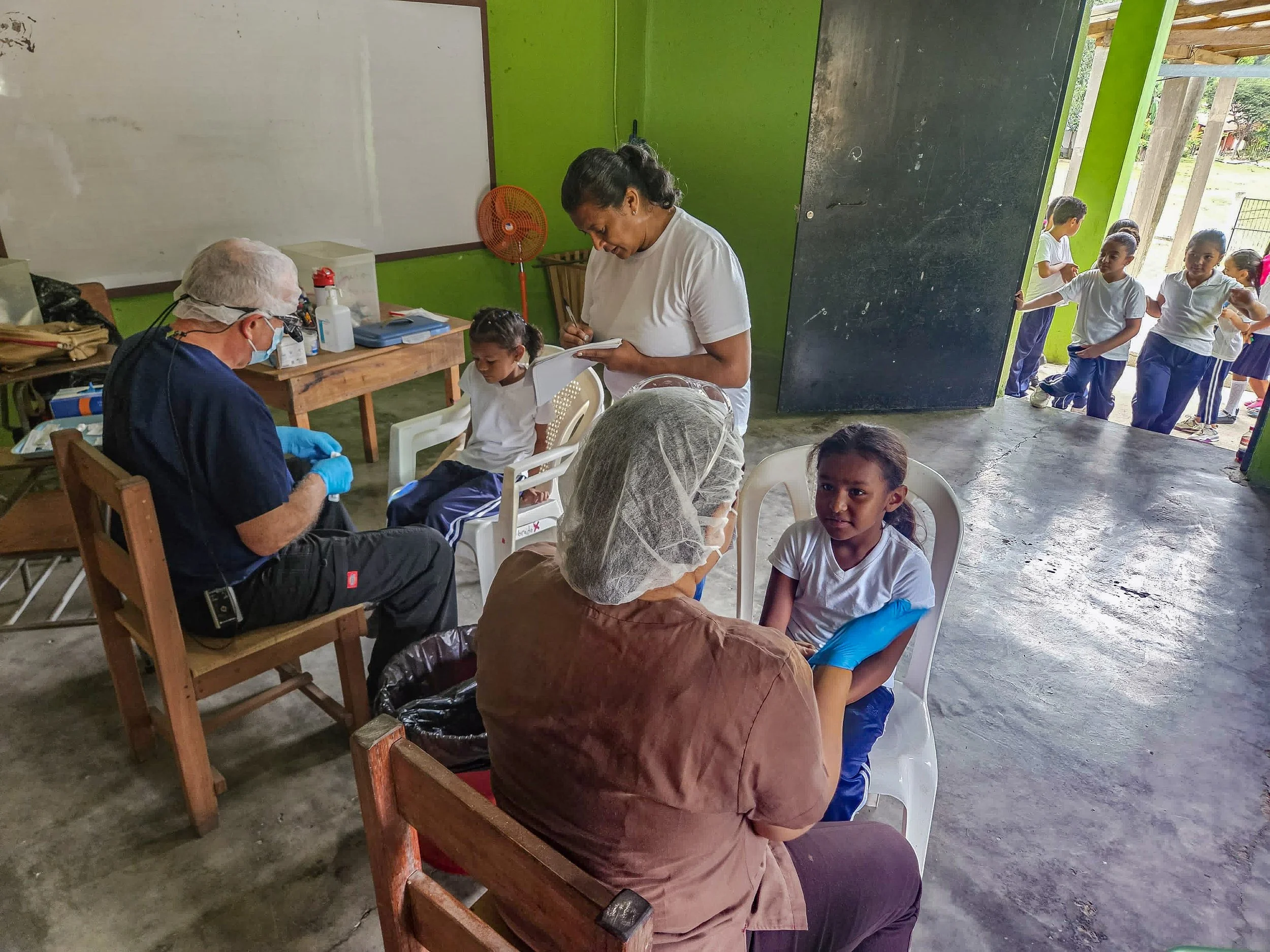
Dentist Reina and Assistant Sandra visit each of 11 elementary schools twice a year to see each child. They do fluoride treatments, teach dental hygiene, treat cavities, and identify children who should be followed up at the Dental Clinic.
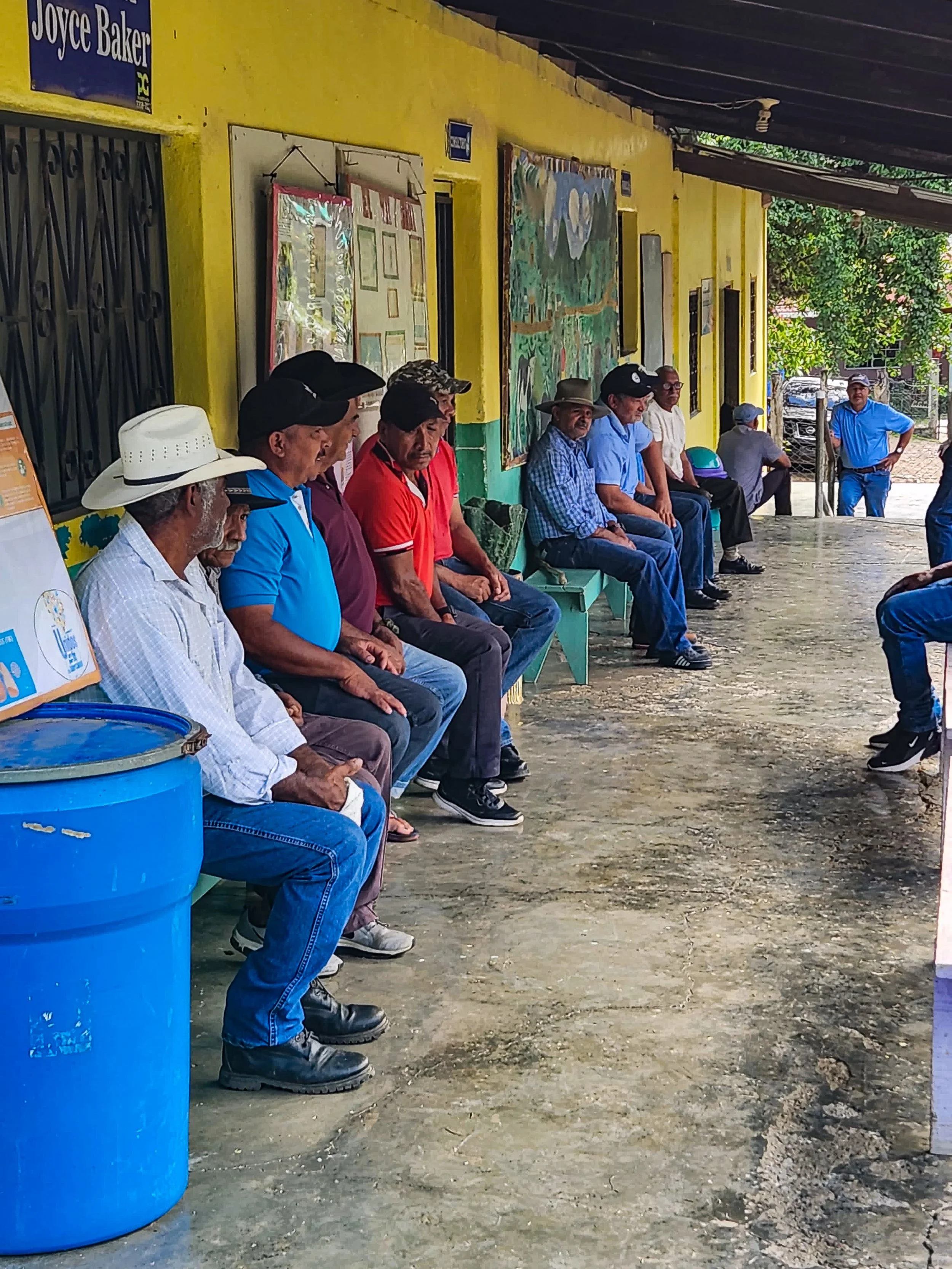
Traditional lore says Honduran men don’t go to the doctor until, “something falls off.” We have found they are eager to participate in cancer screening. These men are waiting on the porch of the Clinic for results of their prostate screening in April 2026. Any needing clinical follow-up are referred to the national hospital where their care is free.
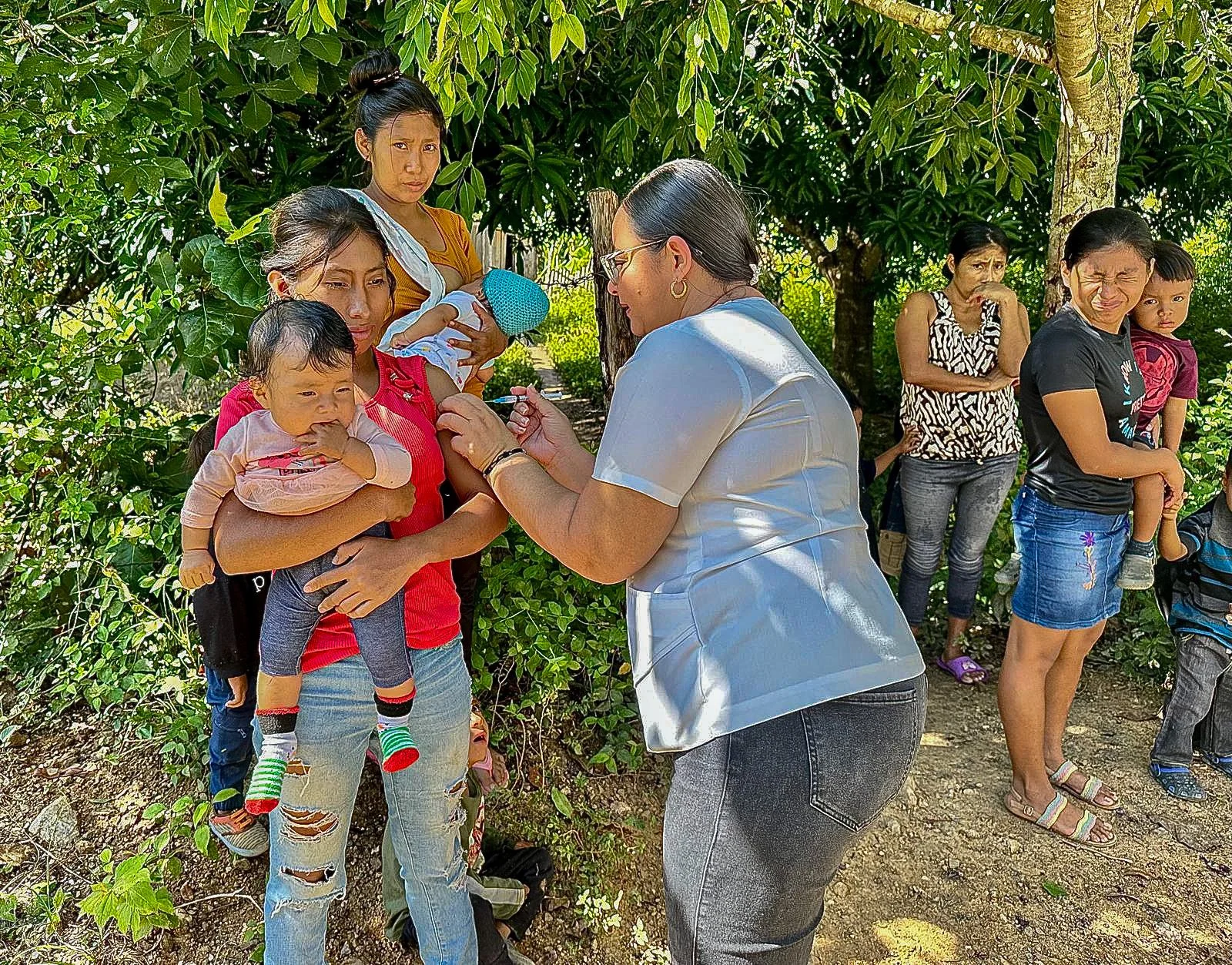
Nurse Nolvia travels to 7 communities to give birth control onsite. Typically, women in Honduras go to clinics for birth control such as the popular Depo Provera shot given every 3 months. Any shot missed or delayed makes an unplanned pregnancy possible. Distances are far and women must take all their children wherever they go.
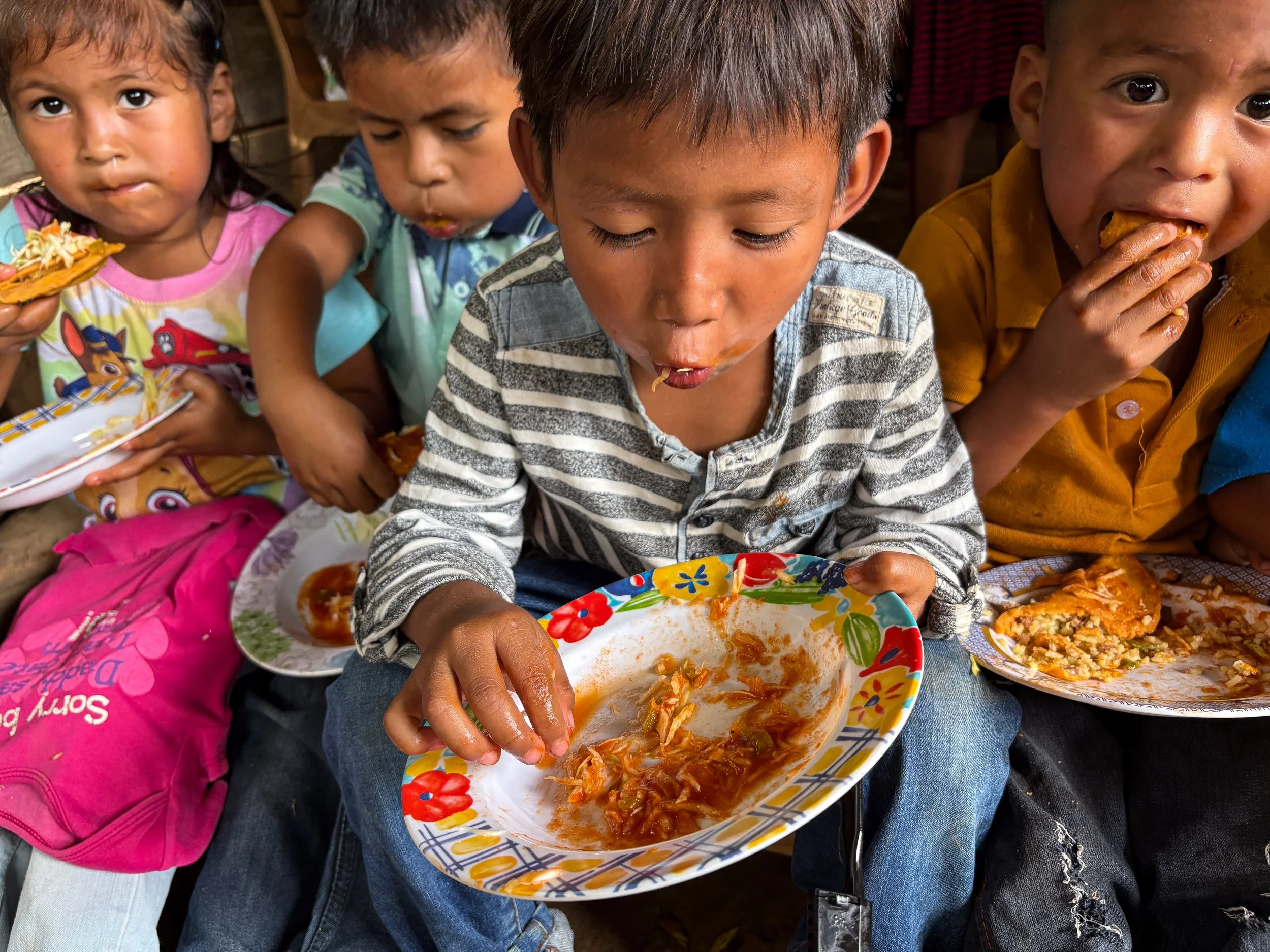
Taking Care of Babies and Moms is a daily feeding program for the purpose of pre-natal and early childhood nutrition. To be ready to succeed in school, and life, kids need proper nutrition. Each day, they have a hot meal with fruit, vegetables, and milk. They have daily vitamins suitable for their age, have their hands and teeth cleaned, and enjoy a story read aloud.
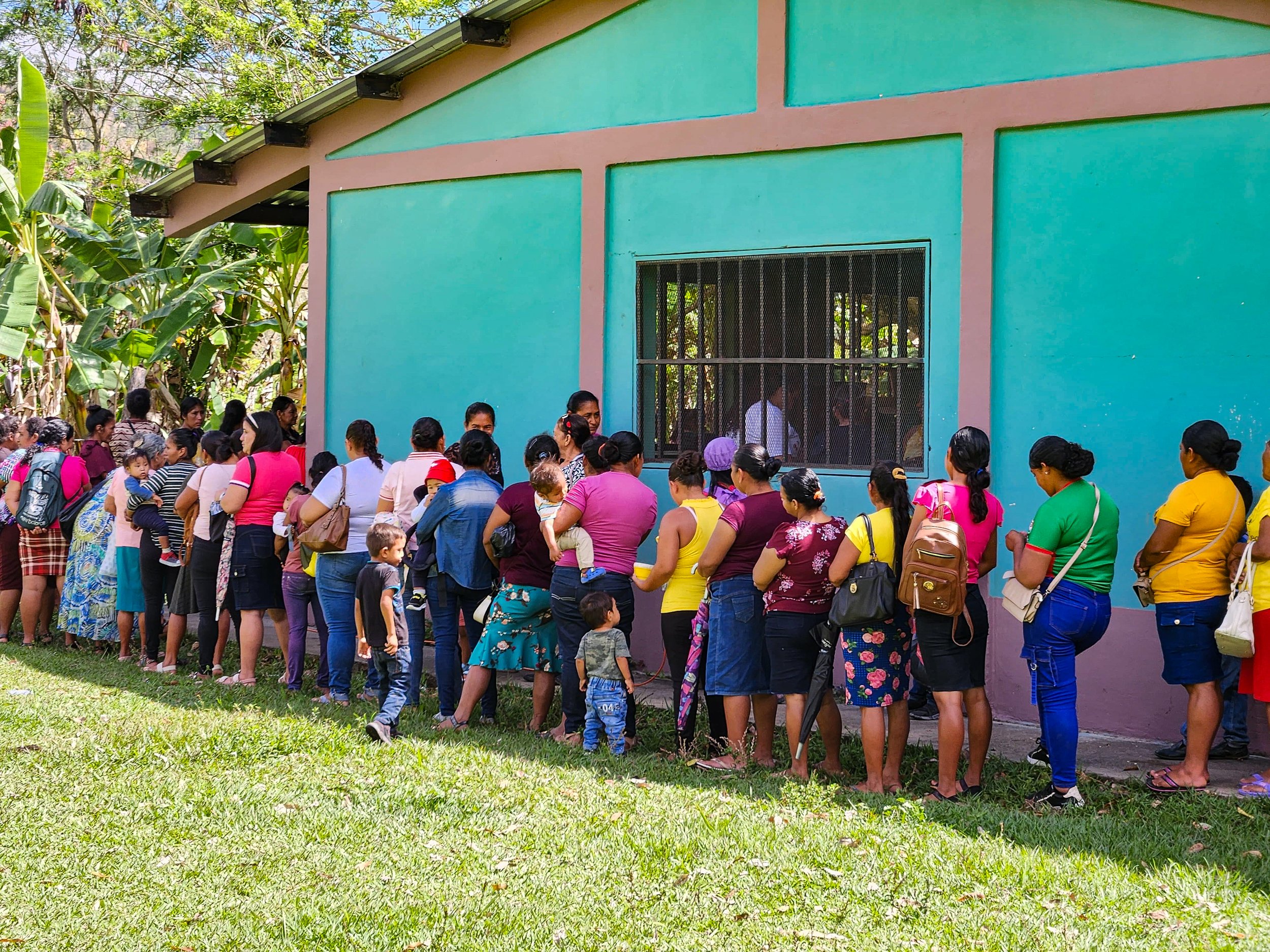
Large-scale cancer screening attracts 350+ people on one day.
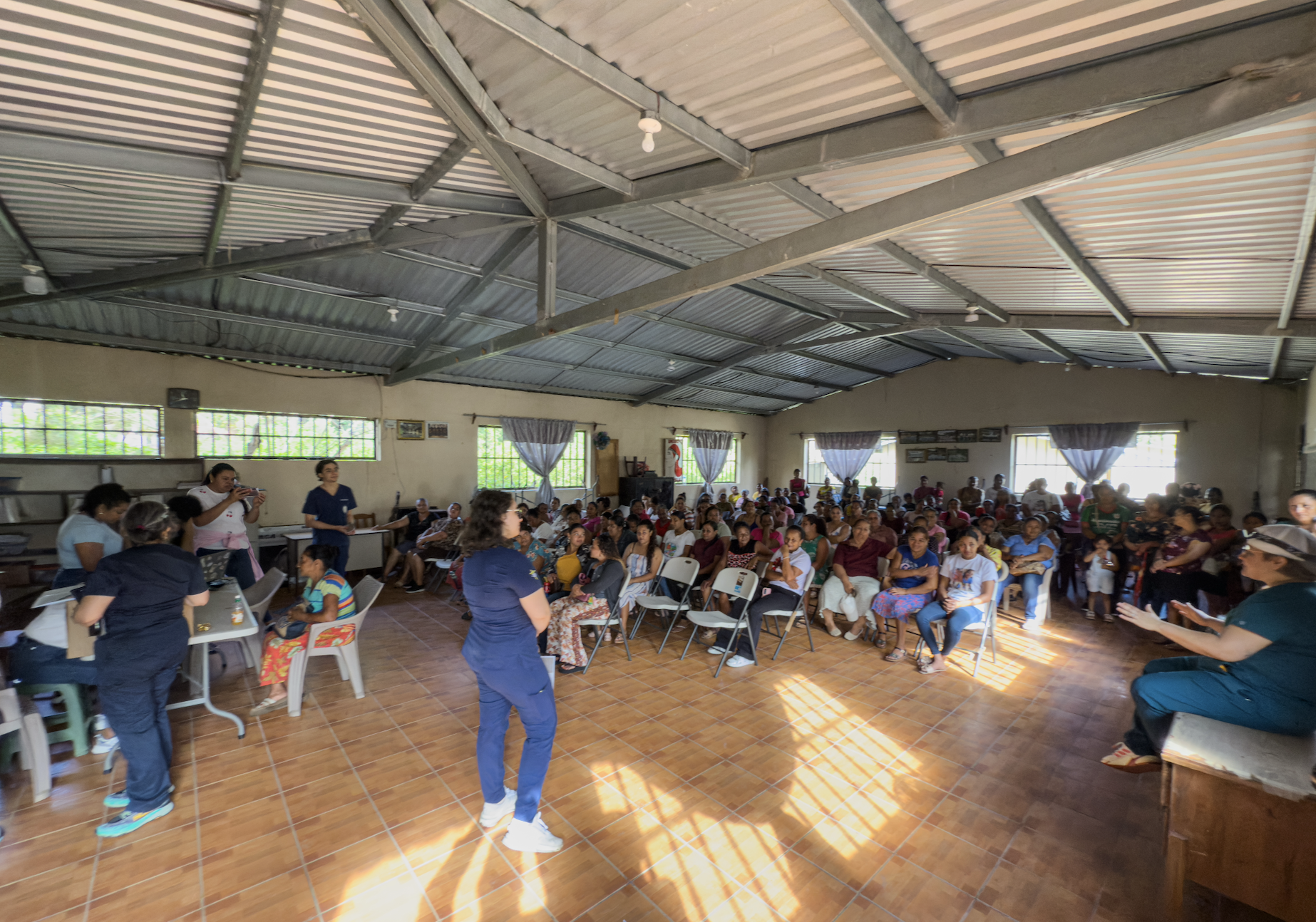
Cancer screening for 350 in one day requires planning and precision. To keep people coming back next time, the participants are treated gently and with great kindness. In this photo, while they wait to check in, they listen to a talk on how to do a breast exam on themselves.
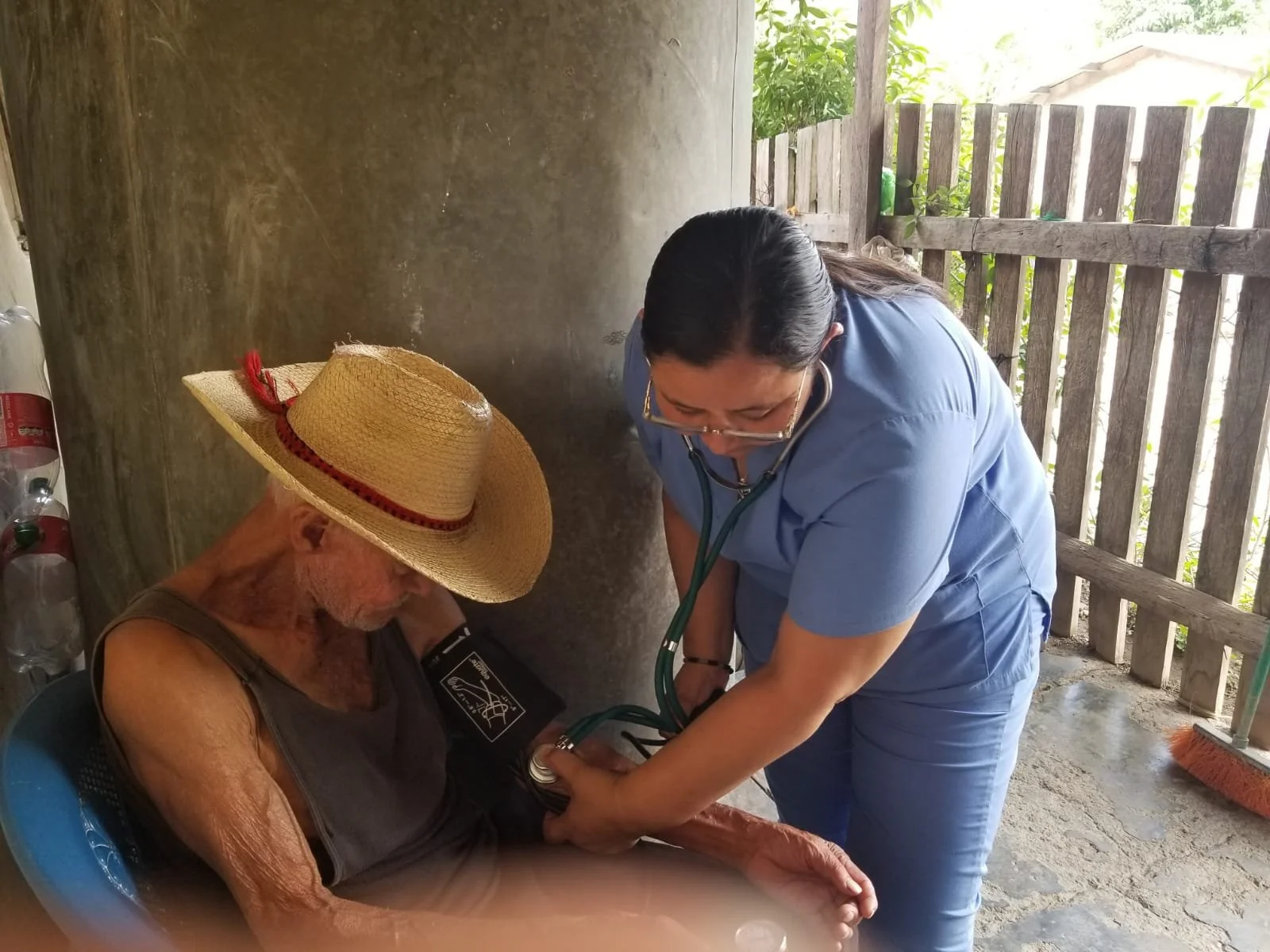
Nurse Nolvia keeps a close eye on this gentleman’s blood pressure by visiting him at home frequently.
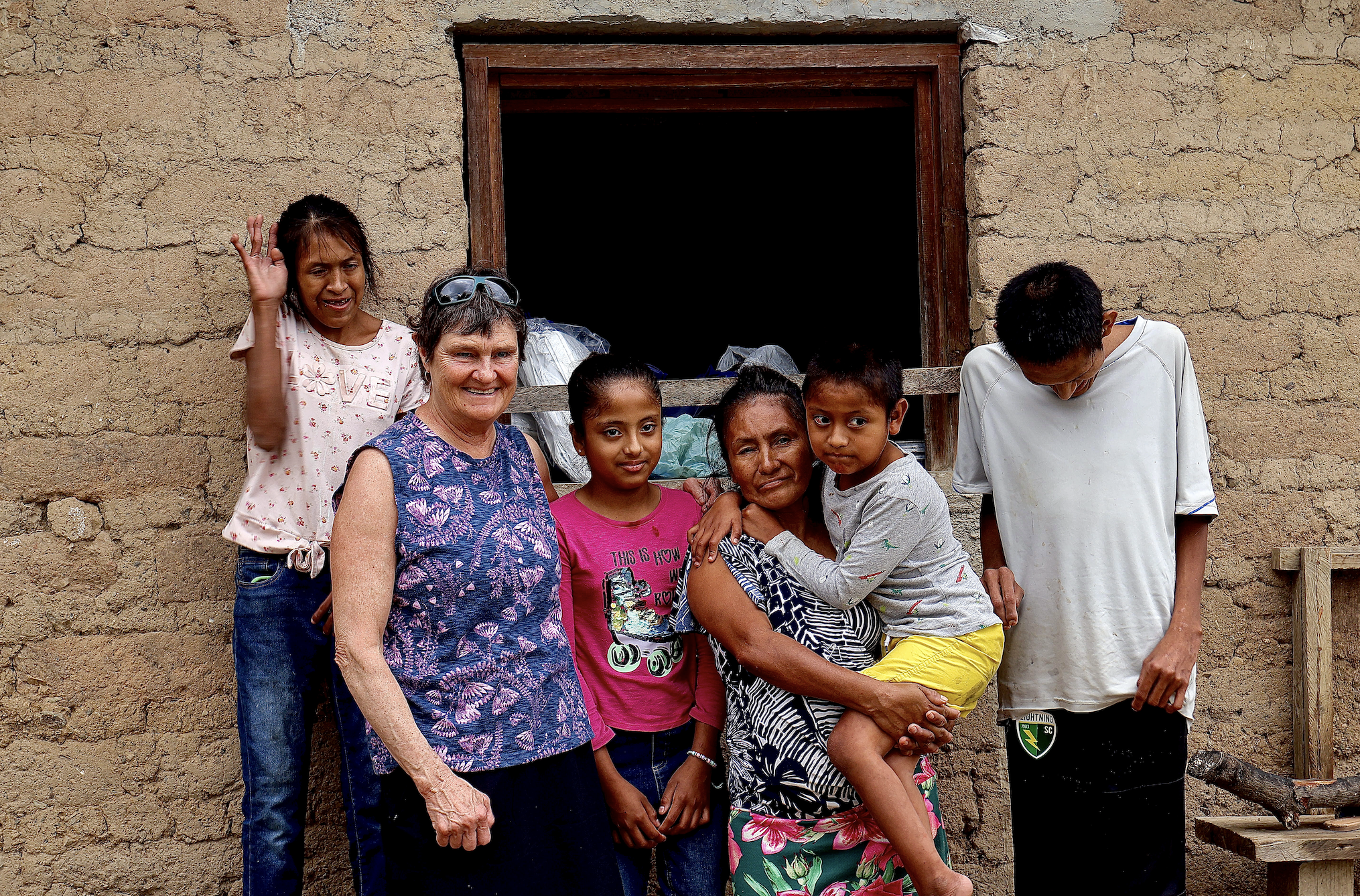
Sue Burgos has led the care team for this family with four disabled children for more than a decade. With the Clinic, ACTS provides personal attention, vitamin therapy, and food.
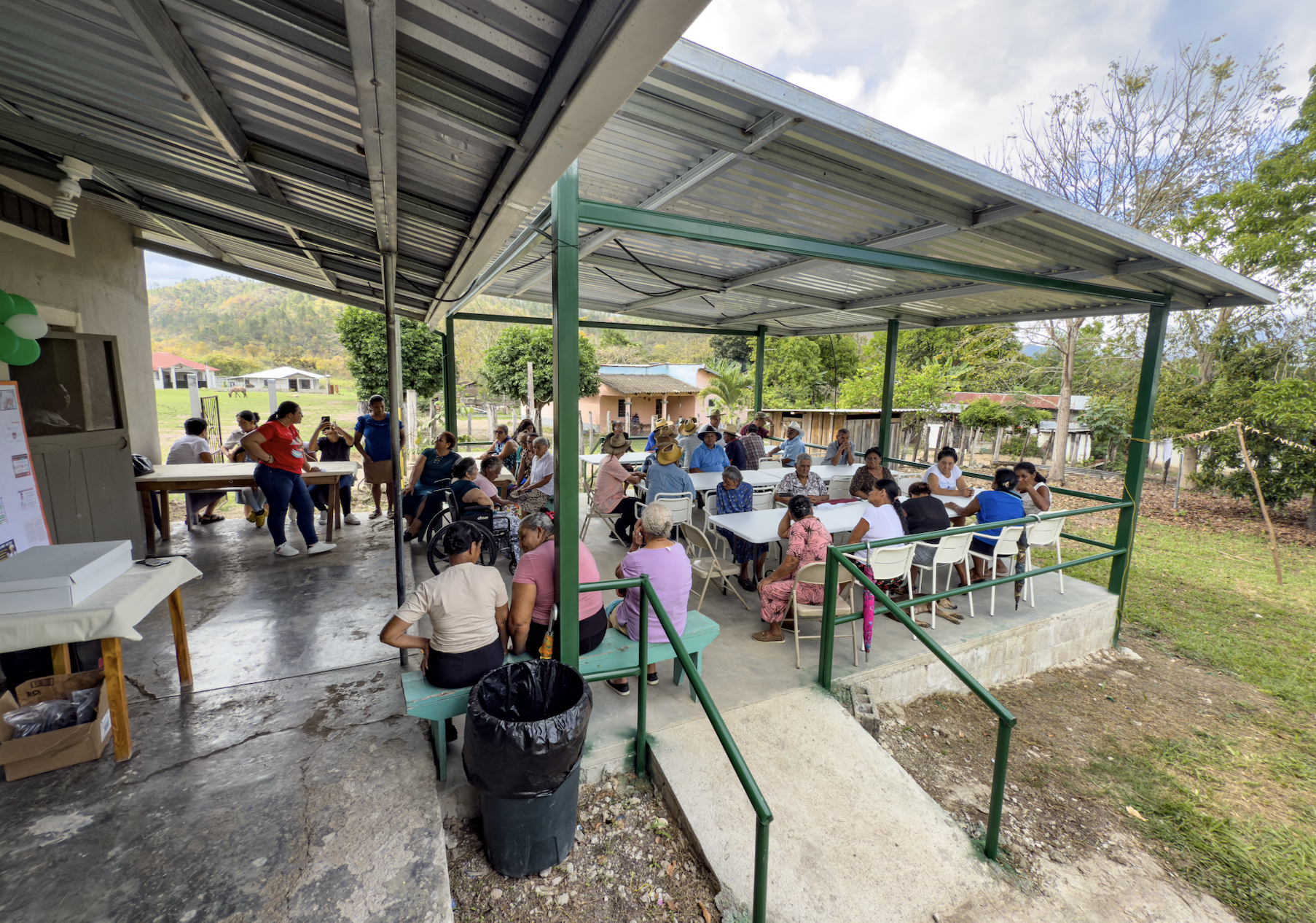
In 2026, we built this handicap accessible patio for community meetings. The sturdy chairs have arms and stack, the tables can be reconfigured, and the natural air conditioning of a gentle breeze under a broad roof make it a pleasant place for up 60 people to meet. This group is Third Youth, the social-educational group for elders.

The Honduran PESCA program of Dr. Suyapa Bejarano’s well-trained medical students provide essential study personnel and are the front-line people interacting directly with the study participants. Above, a truck full of men arrives for the Men’s Jornada where they were screened for five cancers.
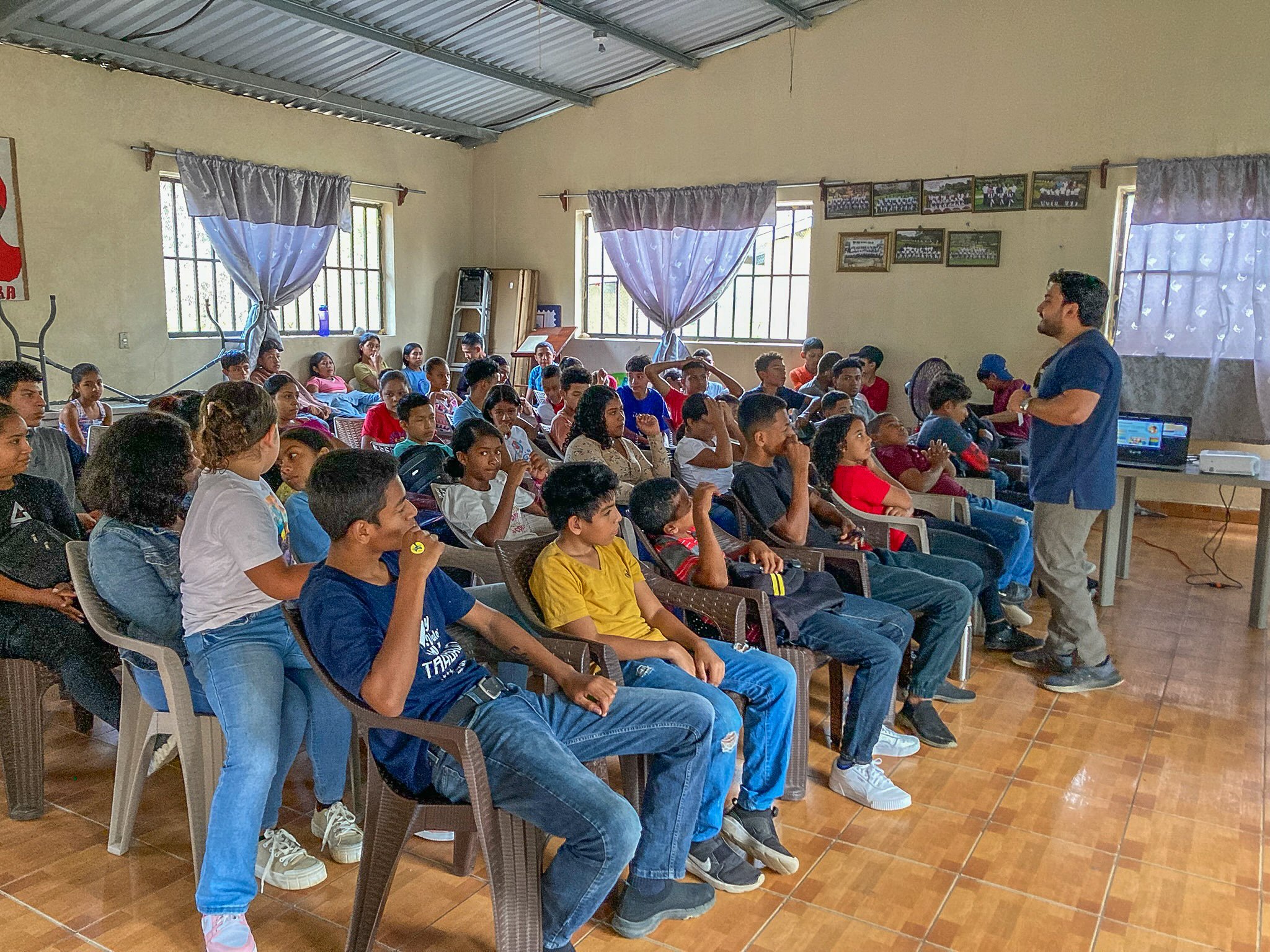
To prepare teens for personal decision making in everything pertaining to teen health, ACTS conceived and organized a 10-session program called Taking Care of You for 72 students ages 11-18. With topics ranging from birth control to pimples and tattoos, the teens were fully engaged, and we are grateful to the Dr. Margot Krasnoff Foundation for funding. Hondurans César Alas MD and Karla Molinaro MD developed and delivered the curriculum and will conduct the multimodal evaluation. This is the second in the “Taking Care of You” series that began with Taking Care of Moms for post-partum mothers.

ACTS U.S.-based cancer partner is Dartmouth Cancer Center and in Honduras it is La Liga Contra el Cancer. The Honduran PESCA program of Dr. Suyapa Bejarano’s well-trained medical students provide essential study personnel and are the front-line people interacting directly with the study participants. Above, a truck full of men arrives for the Men’s Jornada where they were screened for five cancers.

The Dartmouth Center for Global Oncology’s Mary Chamberlin MD onsite in El Rosario briefing the PESCA group of Honduran medical students who will serve as study personnel for a Women’s Jornada to screen for cancer.

The Yoro Public Hospital is a key provider for residents of the ACTS catchment area. To support the hospital, ACTS contributes materials and funds, most recently to finish this maternity dormitory that houses women pre- and post-partum in a safe location where they are examined daily and relax and rest before returning home with a new baby to a houseful of responsibilities.