April 2026 - Improving Quality of Life Throughout the Catchement Area
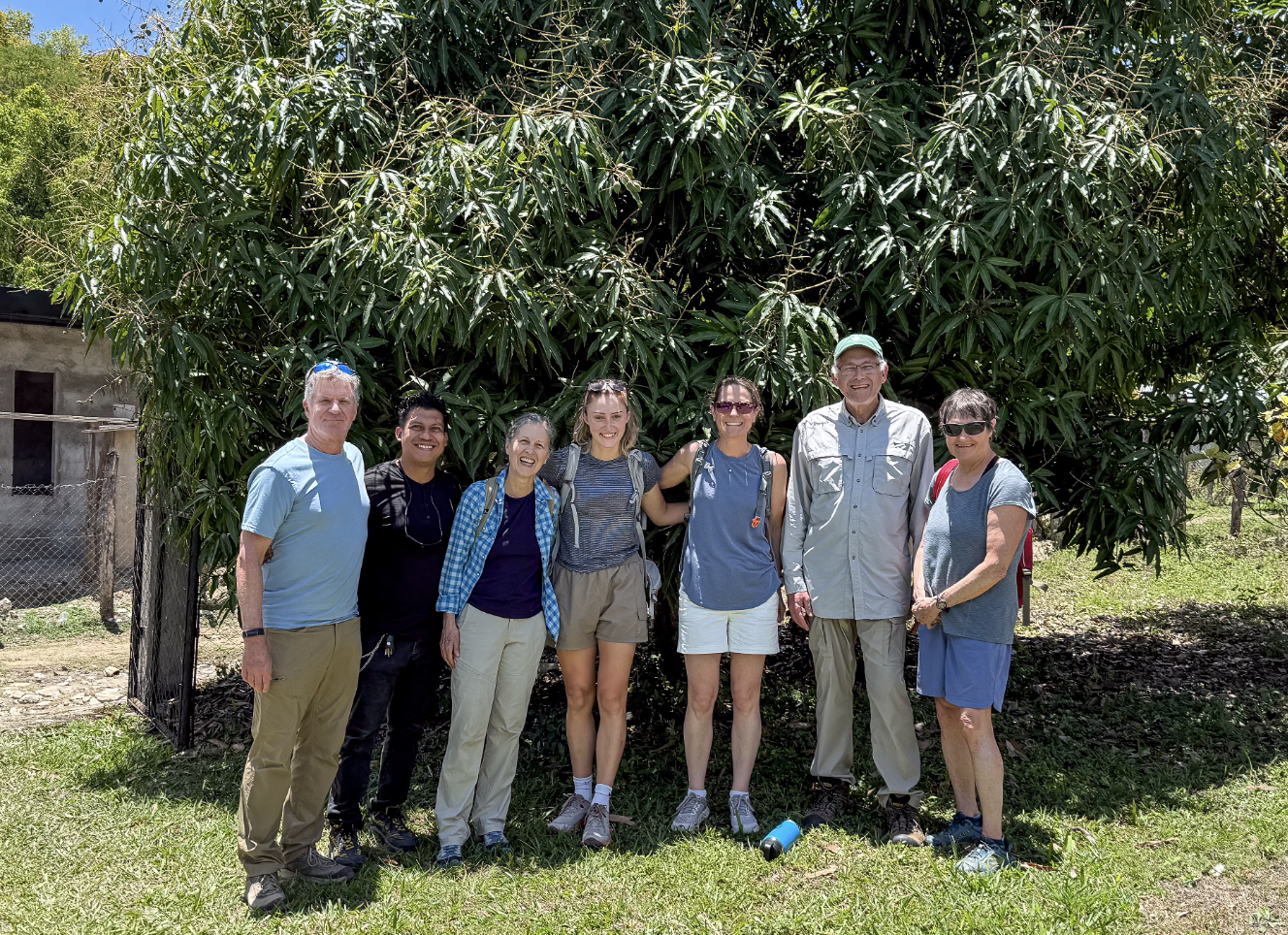
The ACTS Honduras April 2026 team pictured left to right: Jeff Prileson, Daniel Zuniga, Linda Kennedy, Emma Farnsworth, Laurel Ross, Brad Taylor, and Sue Burgos.
The team, led by ACTS President Linda Kennedy, included: ACTS VP Sue Burgos; Treasurer Jeff Prileson; veterinarian Brad Taylor; Laurel Ross bringing nutritional expertise; and Emma Farnsworth with clinical experience. Danil Zuniga, a Honduran physician was the driver and interpreter.
Locomapa, a region in the state of Yoro, consists of 125+ small to medium-sized communities. ACTS Honduras works with 11 of those communities, which are the ones served by the clinic we support in El Rosario, out “home” community. This defines our catchment area.
School improvement
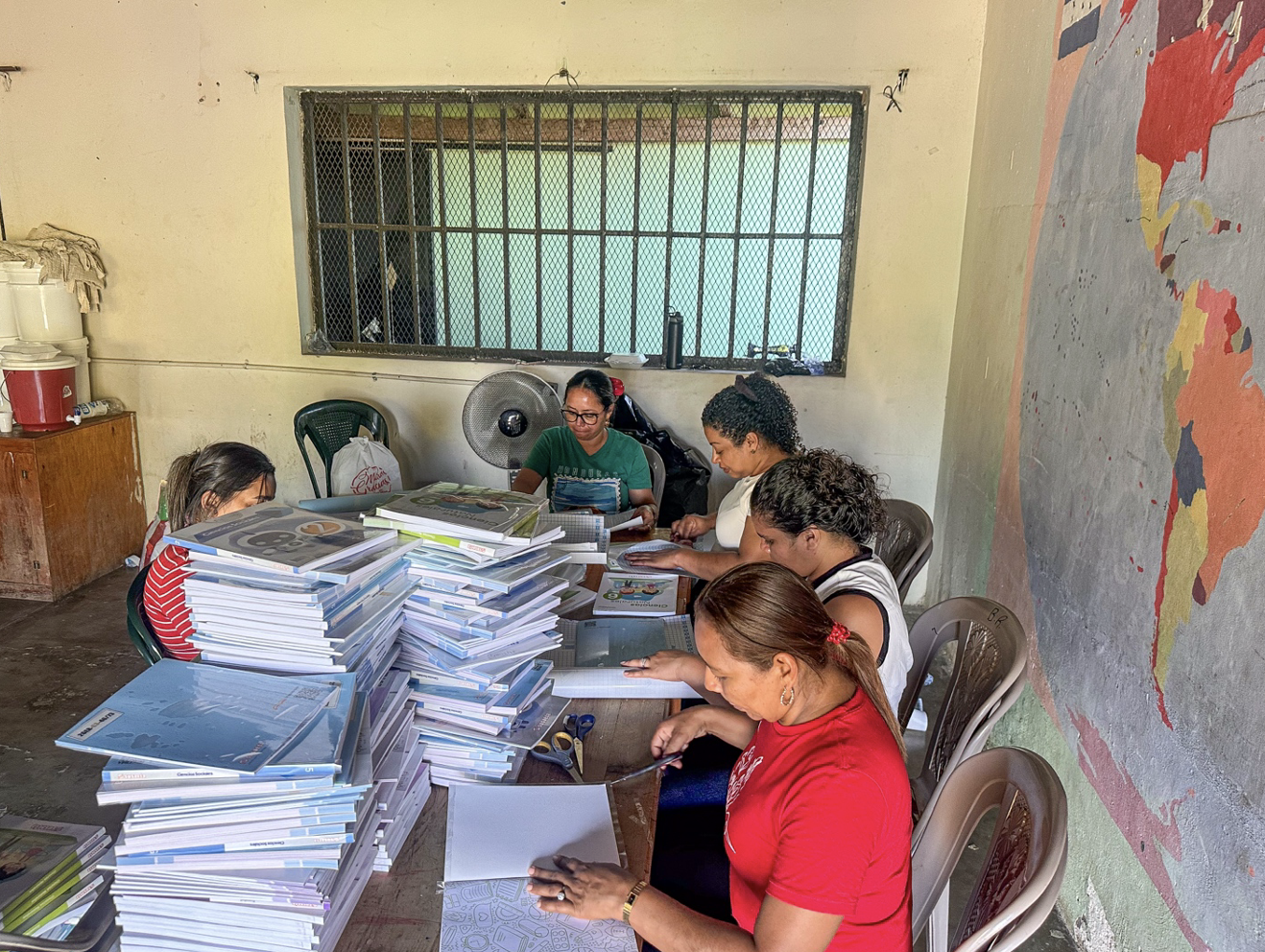
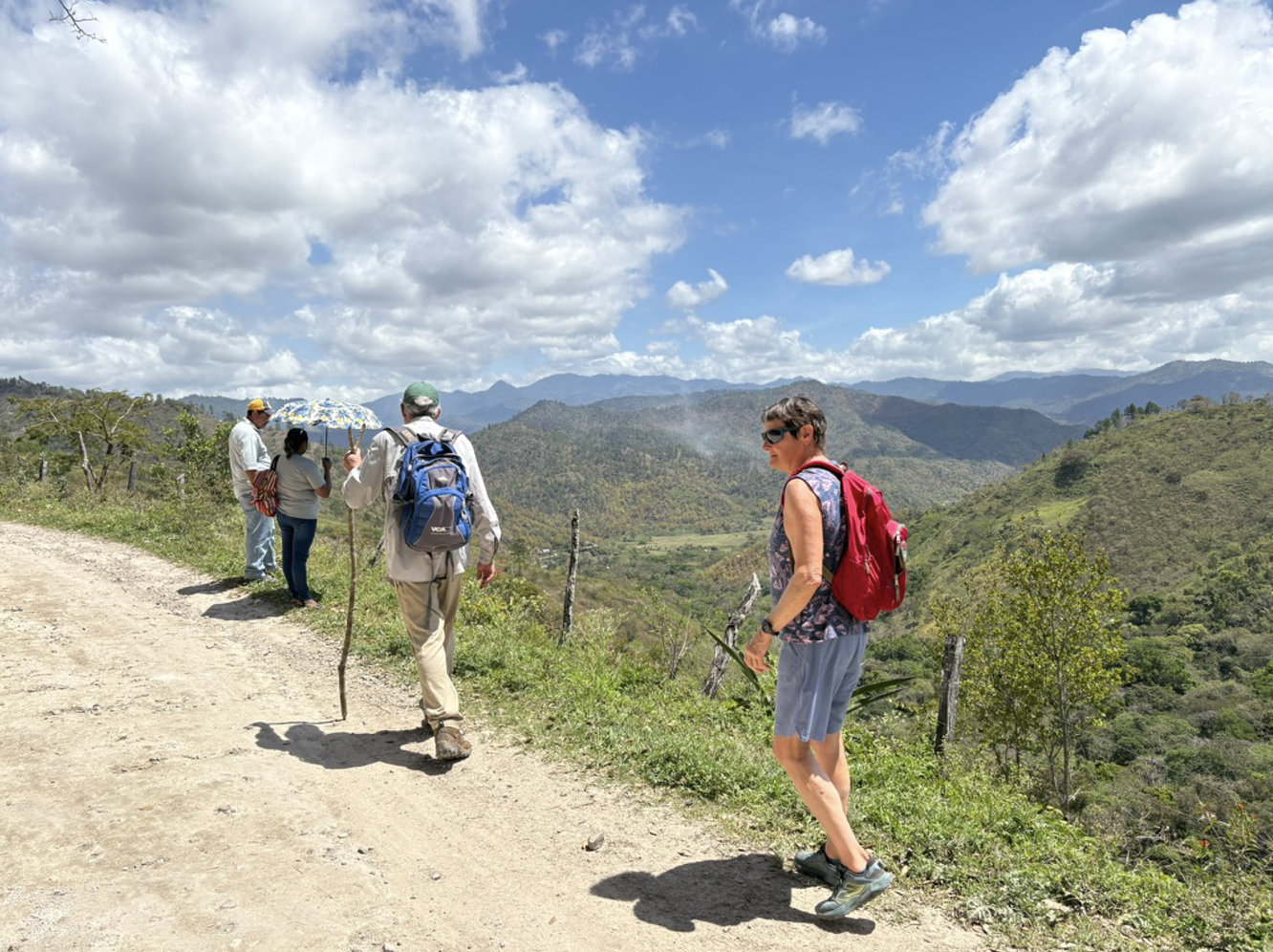
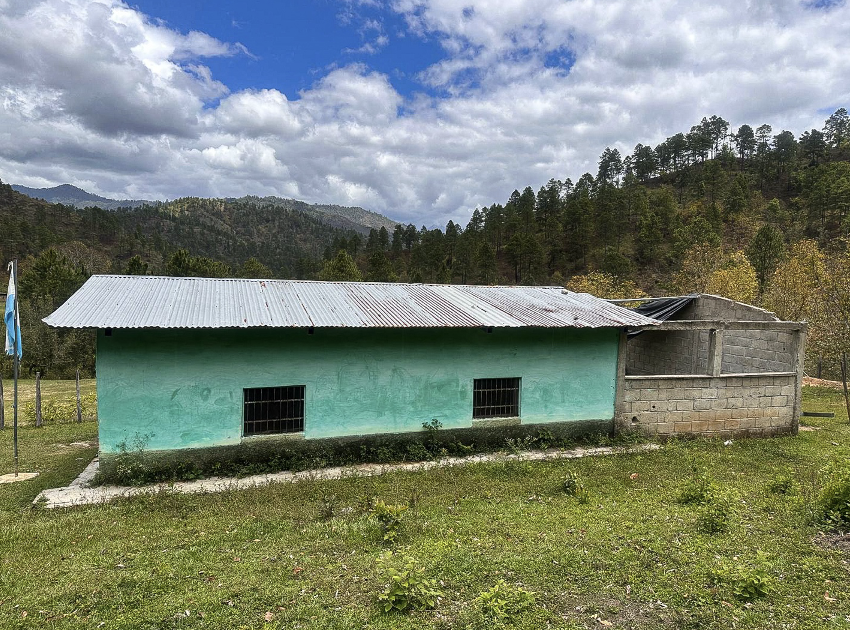
We split up to tour each of the 11 primary schools to determine next steps. Most were acceptable in terms of roofing, water, latrines, whiteboards, electricity, and furniture. Notable exceptions were the school pictured above, where construction of a kindergarten was derailed when the roofing timbers were destroyed in a strong storm. For now, the kindergarten is meeting in the home of the teacher. In the middle, we are on the way to see the schools in Coral Falso and Lomachata.
Improving life for the elderly
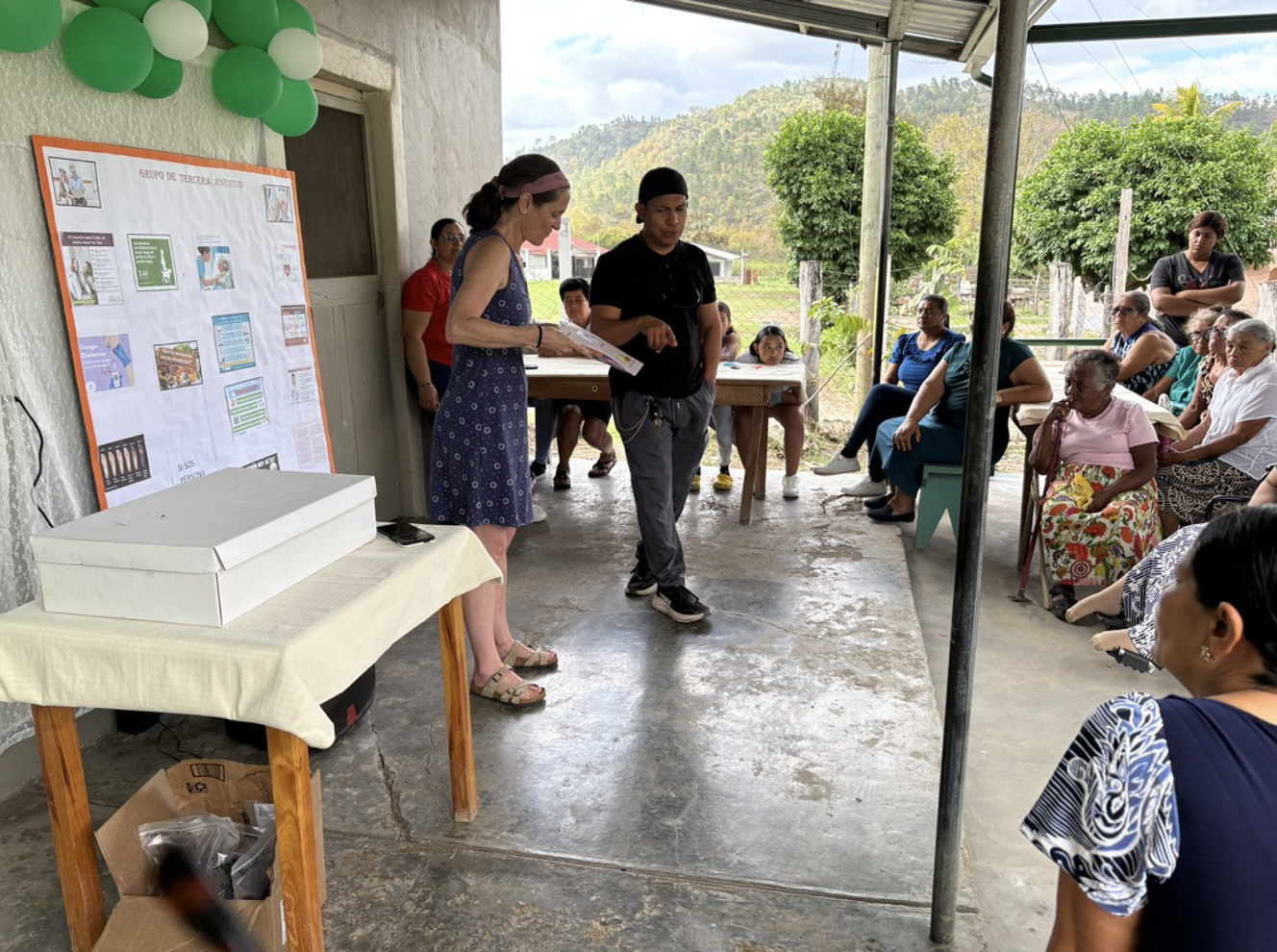
Taking Care of Elders is a 2-year, grant funded initiative to improve the health of elders by improving their situations at home with fixes to ensure safety and comfort and provide supplies they may need. Sue Burgos leads ACTS’ Health Committee and coordinates our gathering and transportation of eyeglasses, medical supplies, and gear needed for stocking a lending “library” of durable medical equipment including canes and bedside commodes. The group of over 45+ members over 60 years old is called Third Youth; they are fun, social, interesting and accessible. This photo shows their April social-educational meeting with team members Laurel Ross and Daniel Zuniga answering questions on nutritional topics and discussing portion sizes.
Making university education accessible
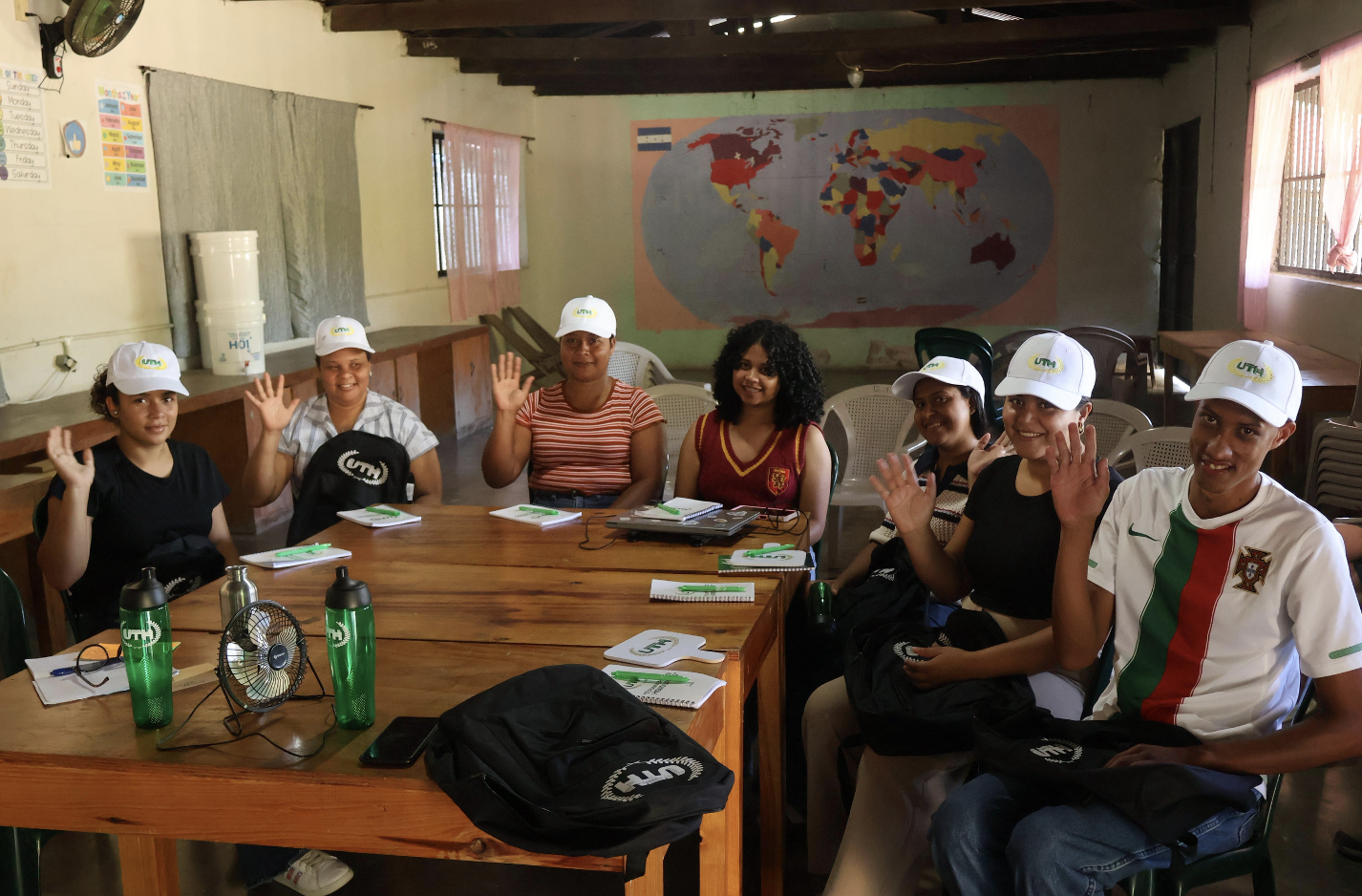
In a dream come true, ACTS Honduras, in collaboration with Universidad Tecnologica Honduras (UTH), opened a telecenter for university training in the center of El Rosario. University training via the telecenter is less expensive and, importantly, allows students to live at home and maintain their family commitments, including parenting. We met with the first cohort of six students ranging from 18-38 years old. They are starting associates degrees in a range of professional topics including human resources, tourism, and computers. This fun video shows them arriving for a meeting with us in UTH swag provided by the University as a welcome gift. The cohort is being coordinated by Ana Montes, our Center’s librarian and the UTH valedictorian in 2025.
Cancer screening
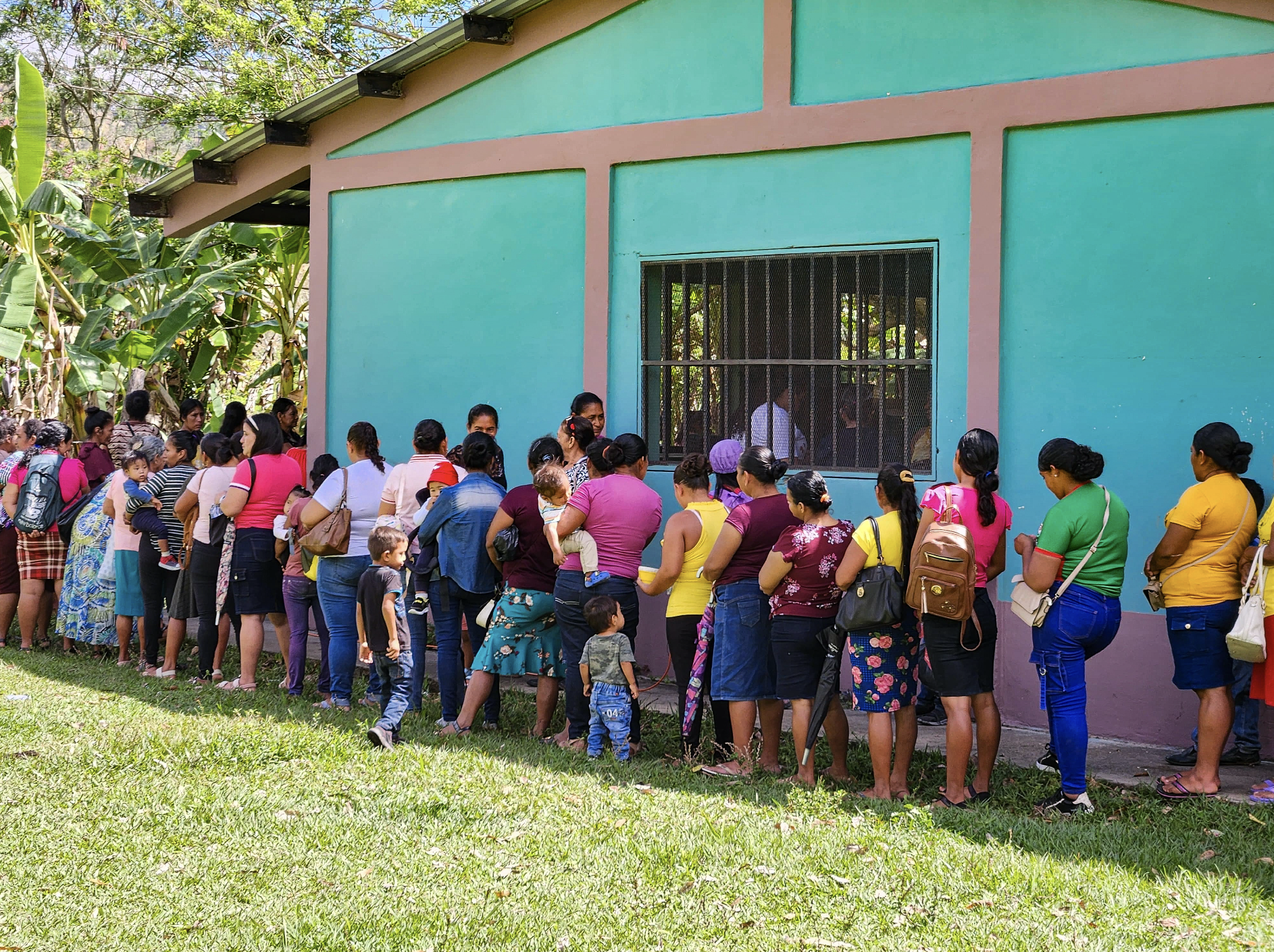
Thanks to a generous donor, we were able to restart large-scale cancer screening in collaboration with a Honduran oncology team led by Dr. Suyapa Bejarano with assistance from her colleagues including medical students and her former trainees now in clinical practices. The women in this photo are waiting patiently for their cervical cancer screening. Any women with concerns about their breasts also received a breast screening.
More than 300 men and women arrived by bus, moto, horse, truck, and on foot carrying babies, parcels, and stool samples for the multi-organ cancer screening protocol we call a Jornada, which means “day of work” in Spanish. Everything was free to participants including transportation, testing, a hot lunch, and follow up screening at a hospital. More than 10 percent screened needed follow up testing. Any who need cancer treatment have been referred to the Honduran national health service where their treatment will be free.
Improving nutrition for small children
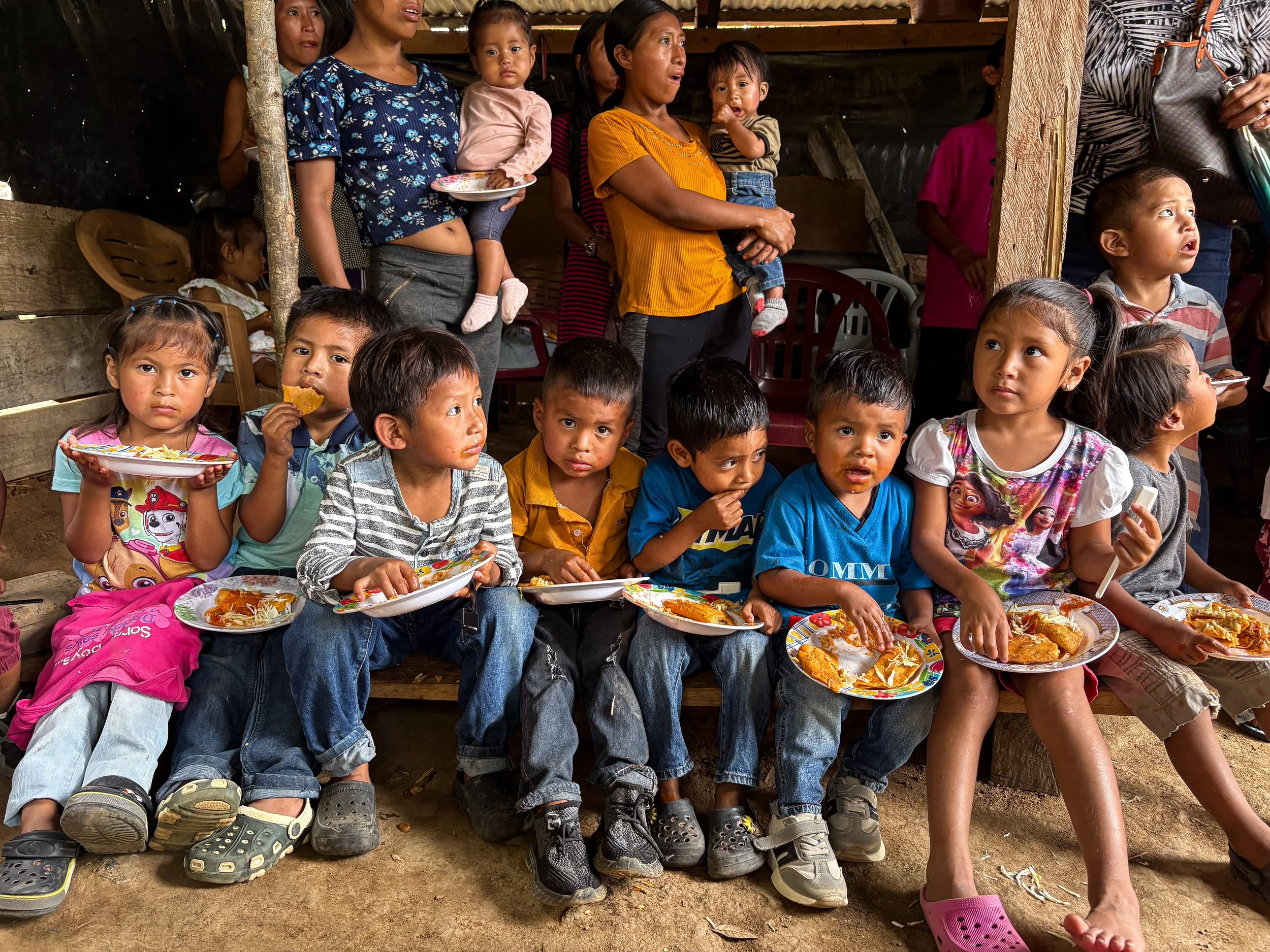
In January 2026, with the help of a generous donor, we established a year-long pilot program to provide better nutrition to 25 preschool kids and 15 pregnant or lactating women in one of the smallest and poorest communities. Often, families in this community go days without any food and the children are small and very quiet. Emma Farnsworth is leading a study to evaluate the growth of the children over this year.
ACTS provided a coordinator who is onsite twice weekly and brings healthy groceries and is teaching the women how to cook new foods. Vitamins and toothbrushing are part of the routine, seven days a week.
On this trip, we talked with the participants about their experience and how they have shaped the program to meet their needs. For example, though the program was intended specifically for preschoolers, because kids in school receive a government provided lunch, they added a 10-year old child with special needs who does not attend school.
Improving dignity and health with private latrines
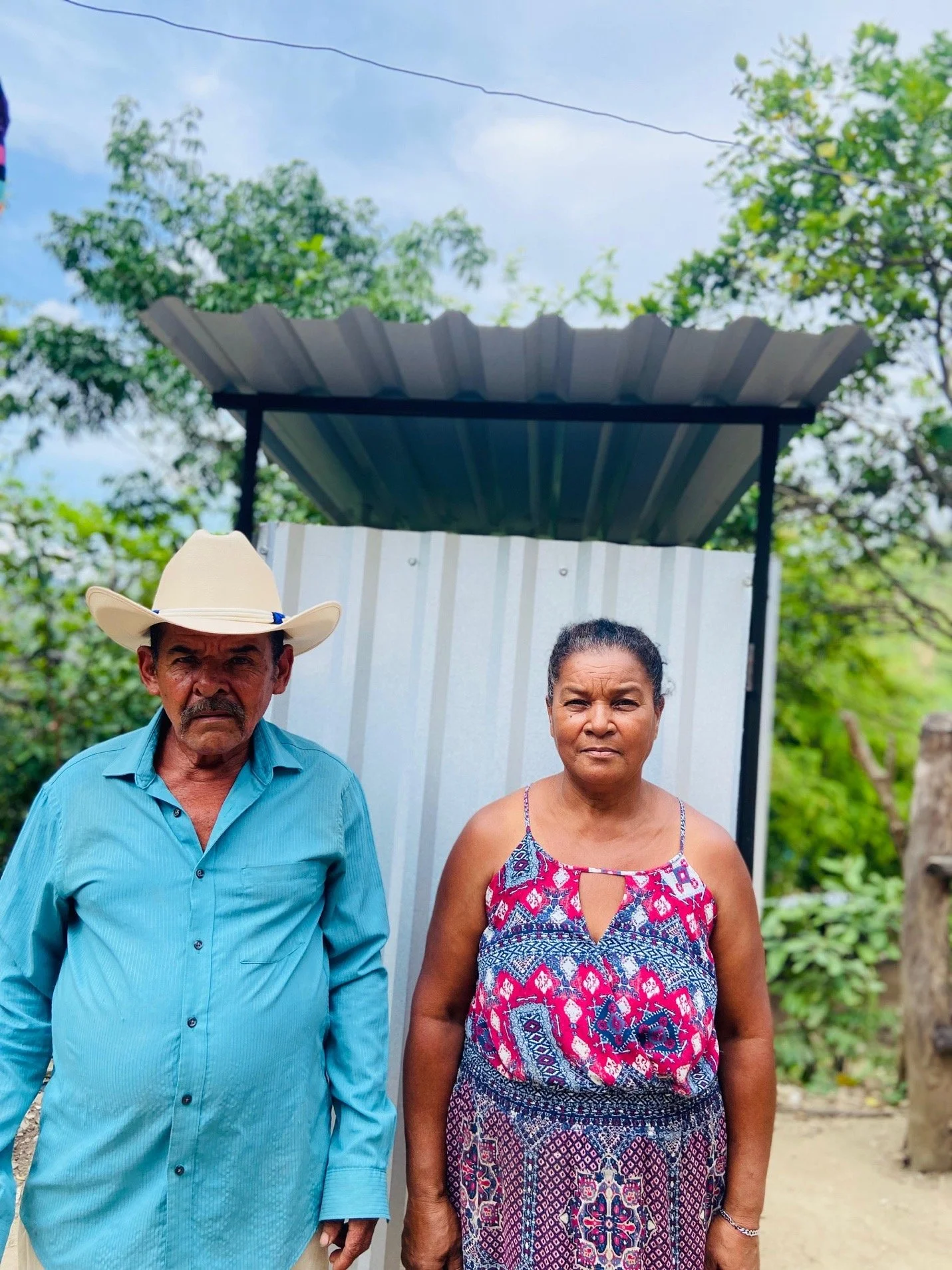
Each family should have a latrine for privacy and safe disposal of human waste. Though we have funded hundreds of latrines over 40 years working in Honduras, there are still families in need. In April, 15 more latrines were completed at the cost of $250 each. The family digs the hole and ACTS funds the construction. Honduras is a deforested country so the best alternative for construction is corrugated metal.
Improving quality and quantity of water
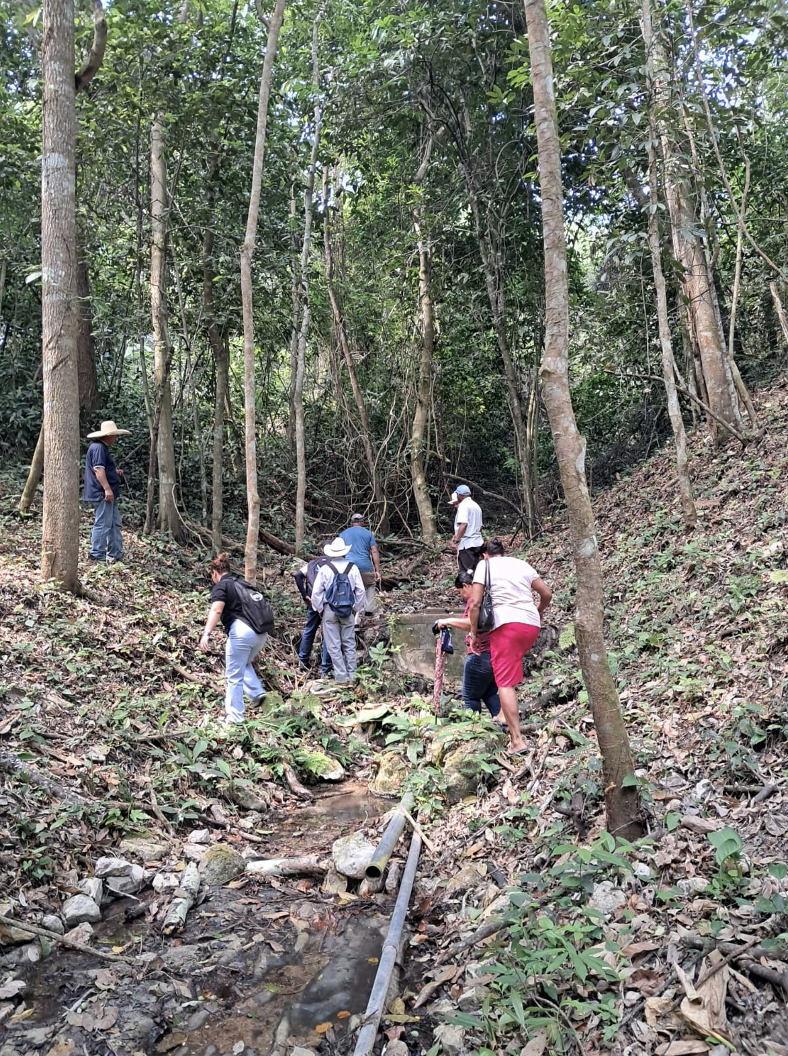
The El Rosario water system is old, in disrepair, and provides insufficient water for the households in the community of 500. With the help of a generous donor, we contracted with a regional water systems NGO in Honduras and during our April visit Jeff Prileson, the ACTS treasurer, met with community leaders getting ready for the May 2026 launch of the project. This photo shows the local committee familiarizing itself with every inch of the 5 miles of pipe.
Improving agriculture
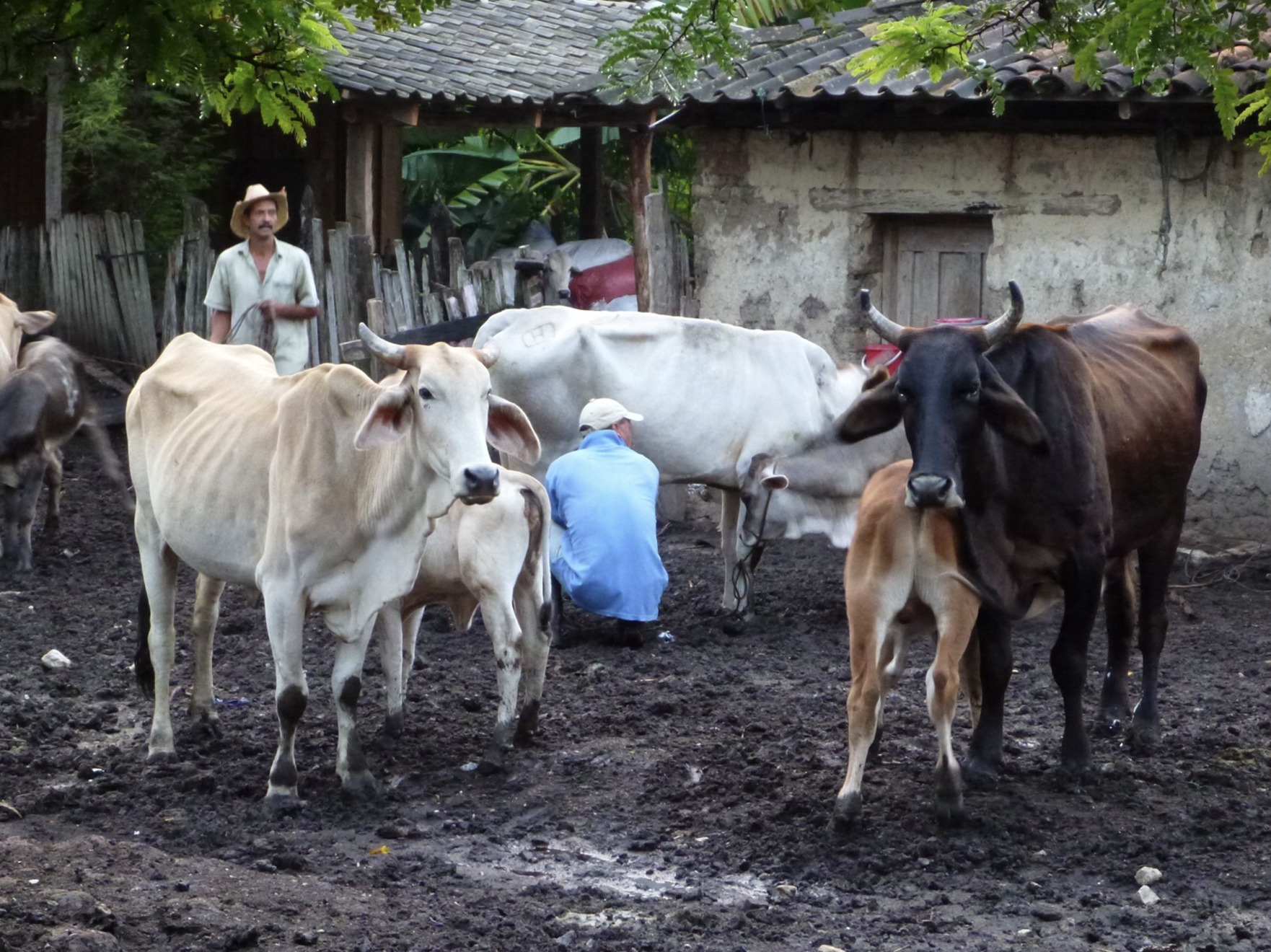
Agriculture in our catchment area faces many challenges, including water scarcity, parasitic screwworms, and the high cost of fertilizer. Brad Taylor met several times with farming leadership and was encouraged by the proactive choices they are making, as a group, to withstand ongoing problems. Now, they are closely monitoring each animal, every day, to check for screw worm and treat immediately from the onsite farmer-organized veterinary pharmacy. They are exploring ways to develop natural springs and capture water for animal use. Together, they are buying bulk fertilizers in advance to get lower prices.
